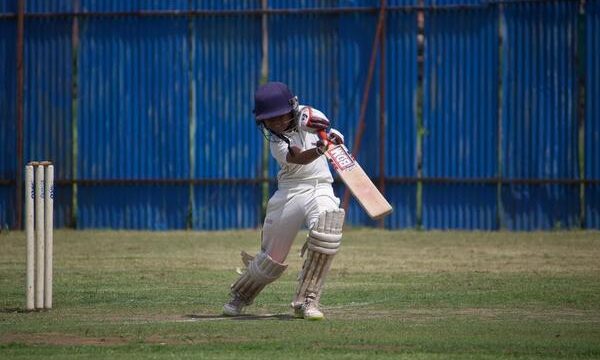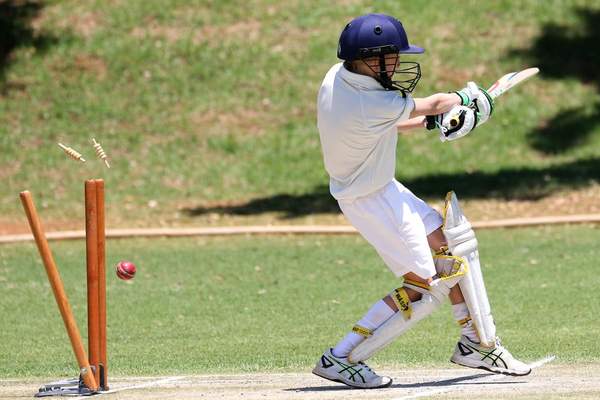

A batter advances down the pitch, misses a turning ball, and the wicketkeeper removes the bails before the bat returns. It looks straightforward. Yet stumping rules in cricket depend on more than quick hands: the delivery, the batter’s position, an attempted run and the keeper’s actions all matter.
That distinction is essential because a wicketkeeper can break the stumps without a valid stumping occurring. The easiest way to understand the decision is to separate two questions: was the batter safely in their ground, and was this a stumping rather than a run-out?
When Is a Batter Out Stumped?
Law 39 of the MCC Laws of Cricket governs stumping. The striker can be given out when a delivered ball is not a no-ball, the striker is out of their ground and has not attempted a run, and the wicketkeeper fairly breaks the striker’s wicket without another fielder’s intervention. The batter must not have left the ground specifically to avoid injury after receiving the delivery.
Every requirement counts. Missing one can change the ruling, even when the bails are removed while the batter is outside the crease. A stumping applies only to the striker, not the non-striker, and the fielding side must appeal for the umpire to give a dismissal.
What Does ‘Out of the Crease’ Really Mean?
The popping crease is the white line across the pitch in front of the stumps. A batter generally makes their ground when part of their bat or person is grounded behind that line. Simply touching the line is not enough.
Picture a batter stretching a foot toward the crease. If it is still in the air and the bat has not been grounded safely, the batter may be out of their ground when the wicket is broken. Conversely, a grounded bat behind the line can be enough even if both feet remain outside.
The relevant instant is when the wicket is fairly broken, not when the wicketkeeper catches the ball or starts moving their gloves. Replays therefore focus on the bails and the batter’s bat or foot at the same moment.
What the Wicketkeeper Must Do
A legal wicketkeeper stumping requires the keeper to break the wicket fairly. Usually that means collecting the delivery and removing a bail with a gloved hand holding the ball. The 2026 Laws clarify that when a fielder uses a hand or arm holding the ball to break the wicket, the ball must be held with complete control. Merely touching it is insufficient.
Other methods can count too. Under Law 39, a ball rebounding from the keeper’s person or equipment onto the stumps can break the wicket, as can a ball kicked or thrown onto them by the keeper. Another fielder must not intervene for the dismissal to remain a stumping.
Can the Keeper Collect the Ball in Front of the Stumps?
Timing is crucial. Law 27 requires the keeper to remain wholly behind the striker’s wicket until the delivery touches the striker’s bat or person, passes the wicket, or the striker attempts a run. Coming forward too early can result in a no-ball, ruling out a stumping.
During the 2022 T20 World Cup, an apparent stumping against Zimbabwe was overturned because Bangladesh’s wicketkeeper had collected the ball in front of the stumps too early. The delivery was called a no-ball instead.
Stumping vs Run Out: The Key Difference
The stumping vs run out distinction concerns the circumstances, not simply who removes the bails. A run-out can involve either batter, can occur while running between wickets, and may be completed by a fielder other than the wicketkeeper. Certain run-outs are possible even when no-ball has been called.
A stumping has narrower conditions: it concerns the striker, requires no attempted run, excludes no-balls and must involve the keeper without another fielder’s help. When all stumping conditions are satisfied, the dismissal is recorded as stumped even if it might otherwise resemble a run-out.
Imagine a batter stepping forward to drive a spinner and missing. The keeper removes the bails before the bat returns: that is a potential stumping. Now imagine the batter turns and sets off for a single after missing. If the keeper breaks the wicket during that attempted run, the dismissal is assessed as a run-out instead.
For more on how such decisions are classified, see our guide to cricket dismissal rules.
Wide Balls, No-Balls and Other Tricky Calls
Can You Be Stumped Off a Wide?
Yes. A wide does not prevent a stumping. A batter reaching for a ball outside their normal playing range may lose their ground and give the keeper an opportunity. If the striker is stumped from a wide, the one-run wide penalty still counts, provided that penalty has not already ended the match.
Can You Be Stumped Off a No-Ball?
No. A no-ball prevents dismissal stumped. One easily missed safeguard is that if the striker is outside the ground, not attempting a run, and the keeper alone breaks the wicket, the striker cannot simply be given run-out instead. An actual attempted run or intervention by another fielder can change the run-out assessment.
What If Another Fielder Intervenes?
Once another fielder intervenes before the keeper breaks the wicket, the special stumping conditions are not met. A run-out might still be possible depending on what happened. The bowler receives credit for a stumping, but never for a run-out.
How to Judge a Close Stumping on Replay
Ignore the dramatic glove movement and follow the decision in sequence. First check whether a no-ball was called. Then identify whether the striker attempted a run or merely left the crease to play the delivery. Next consider the keeper’s position and any intervention by a teammate.
Finally, freeze the action when the wicket is fairly broken. Is a bat or part of the batter grounded behind the popping crease? Our explanation of batting creases in cricket gives useful background on that line. For the related dismissal, see cricket run-out rules.
Frequently Asked Questions
No. A stumping can occur after the ball touches the bat, provided the other conditions are satisfied and another dismissal, such as caught, has not taken precedence.
Yes, if no part of the bat or person is grounded behind the popping crease when the wicket is fairly broken. Being on the line is not enough.
Not when the batter leaves their ground after receiving the delivery specifically to avoid injury. Law 39 provides that exception.
Yes. Stumping is recognised across formats. Competitions may add playing conditions, but the fundamental requirements come from Law 39.
The Simple Way to Remember the Rule
A stumping is more than a keeper’s fast reaction. The striker must be out of their ground without attempting a run, the ball must not be a no-ball, and the keeper must fairly break the wicket without another fielder helping. Those checks make even close stumping decisions easier to understand.