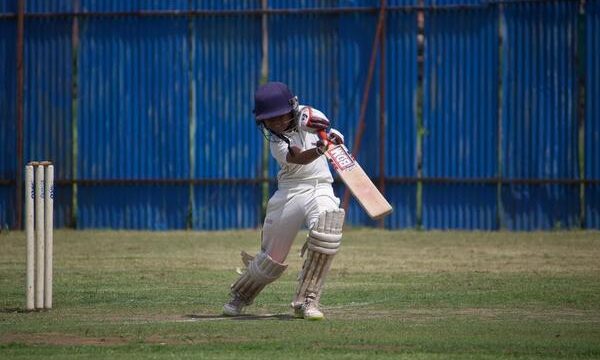

A cricket score can rise even when nobody hits the ball. A delivery might pass the bat, strike a pad or break a bowling rule, yet still add runs to the batting side. These are extras in cricket, explaining why a team’s total can exceed its batters’ combined scores.
The main types are wides, no-balls, byes, leg byes and penalty runs. All increase the total, but some also count against the bowler. Knowing the distinction makes a scorecard much easier to read.
What Are Extras in Cricket?
Extras are runs awarded to a team without being credited to an individual batter. They may come from an illegal delivery, a missed ball or a breach of the Laws. The scorecard lists extras separately, then adds them to the batters’ runs for the innings total.
The useful question is why each run was awarded. The answer determines whether it is recorded as a wide, no-ball, bye, leg bye or penalty. A guide to reading a cricket scorecard can help put these entries in context.
Wides in Cricket: Runs for an Unreachable Delivery
An umpire calls a wide when a delivery passes too far from the striker to be reached with a normal cricket stroke, applying the relevant Laws and playing conditions. The batter’s movement and normal batting position matter; not every ball outside off stump is wide.
A wide immediately adds one run. If the wicketkeeper misses it and the batters complete two runs, the team receives three wides. If an untouched wide reaches the boundary, the usual award is five wides: the penalty plus four.
All wide runs are extras charged to the bowler. The delivery does not count toward the six valid balls in an over, so it must be replaced. Although many dismissals are unavailable, stumping and run-out remain possible.
No-Balls in Cricket: When a Delivery Breaks a Rule
A no-ball is an illegal delivery. Overstepping the front-foot crease is a common example. Other causes include certain dangerous deliveries or an illegal bowling action, according to the match’s applicable rules.
One no-ball extra is awarded immediately and charged to the bowler. Other runs can be added. If the striker hits a no-ball for four, the team gets five: four to the batter and one no-ball extra. If the ball misses the bat, completed runs may be recorded as byes or leg byes alongside the penalty.
No-balls do not count as valid deliveries. A no-ball also overrides a wide; the same delivery cannot be scored as both. A batter cannot be dismissed bowled, caught or leg before wicket from a no-ball, but a run-out is possible.
In many limited-overs competitions, the next delivery is a free hit, restricting possible dismissals. This is a playing-condition rule, not a universal feature of cricket.
Byes in Cricket: Runs Without Contact
Byes arise when a delivery that is not wide passes the striker without touching the bat or body, yet runs are gained. The wicketkeeper might miss the ball, allowing the pair to run. An untouched ball reaching the boundary may bring four byes.
Byes increase the team’s extras but are not credited to the batter or charged against the bowler. An otherwise legal delivery producing byes counts in the over. A no-ball can also produce byes, with its separate penalty recorded as a no-ball extra.
Leg Byes: When the Ball Strikes the Batter
Leg byes can be awarded when the ball first strikes the striker’s body or clothing rather than the bat. The umpire must be satisfied that the striker tried to play the ball or attempted to avoid being hit.
Picture a batter attempting a defensive stroke, missing and being struck on the pad. The ball rolls away and the pair completes one run. That is one leg bye, not a run to the batter. A suitable deflection reaching the boundary can produce four leg byes.
If the batter neither attempted a shot nor tried to avoid the ball, leg-bye runs are disallowed. This explains why an umpire may signal dead ball after a pad deflection. Legitimate leg byes do not count against the bowler, while an otherwise legal delivery still counts in the over.
What About Five-Run Penalties?
Some infringements attract five penalty runs. For example, the ball striking a protective helmet left on the field by the fielding team can lead to such an award, subject to the rules. Other penalties address specified unfair play.
These appear as penalty extras rather than batters’ runs or ordinary bowling figures. Specified offences can also produce penalty runs for the fielding side. They differ from the one-run penalties already included in wides and no-balls.
Why Extras and Bowling Figures Differ
Imagine a scorecard showing three byes, two leg byes, six wides and one no-ball, with no other penalties. That makes 12 extras for the batting side, none credited to a batter.
Wides and no-ball penalties count against the bowler; byes, leg byes and separate five-run penalties generally do not. Consequently, the bowling analysis can show fewer runs conceded than the batting side gained during the same deliveries. A guide to cricket bowling figures explains the distinction further.
A Practical Example: Check the Over Yourself
Suppose a bowler starts with a wide, then delivers a legal dot ball. Next comes a no-ball hit for four, followed by a legal single, two byes, one leg bye and another legal dot ball.
The team has gained ten runs: one wide, five from the no-ball boundary, one single, two byes and one leg bye. The batters receive five runs, with five extras. The bowler is charged seven: the wide, no-ball penalty, boundary and single.
Only five valid deliveries have occurred: two dots, a single, a byes delivery and a leg-bye delivery. Another valid ball is needed to finish the over. This simple check explains why a scoreboard can jump while the ball count barely moves.
Frequently Asked Questions
No. Extras belong to the team. Runs hit with the bat on a no-ball still go to the striker, however, while the one-run no-ball penalty remains an extra.
No. Both must be replaced because neither counts among the six valid balls. Byes and leg byes from otherwise legal deliveries do count.
Yes. A wide reaching the boundary can produce five wides. A no-ball followed by two byes produces three runs: one no-ball extra and two byes.
No. The striker must have attempted a shot or tried to avoid being hit. Otherwise, leg-bye runs are disallowed.
Conclusion
Wides and no-balls penalise illegal deliveries, while byes and leg byes cover permissible scoring without a bat stroke. Other penalty runs deal with specific infringements. Separate those categories from batters’ runs and bowling figures, and extras in cricket become far less mysterious. Understanding how cricket overs work completes the picture.