
A road race rarely rewards the rider who spends the most time at the front. Two cyclists can produce similar power yet reach the decisive climb with very different reserves. The difference often comes down to where they rode, which attacks they followed and when they chose to work. Understanding road cycling race tactics reveals how positioning, breakaways and teamwork shape the result.
Positioning: Save Energy Without Missing the Action
Bunch positioning in cycling balances shelter with access. Near the front, riders can see approaching corners, climbs and attacks. At the back, repeated braking and acceleration can turn a steady speed into exhausting surges. Sitting on the very front all day, however, means facing the wind for everyone else.
Try to move towards the forward portion of the peloton before decisive sections rather than fighting constantly for one particular wheel. Look ahead, anticipate changes and advance gradually while there is space. The ideal position depends on terrain, wind direction and other riders.
Move Before the Bottleneck
Imagine a sharp turn leading into a narrow climb. Riders entering near the back may have to brake, then accelerate uphill to regain contact. Moving up before the turn reduces that costly effort. Choose a safe line, check behind before changing direction and avoid sudden movements. Never cross restricted markings or enter oncoming traffic to gain places.
Drafting and the Direction of the Wind
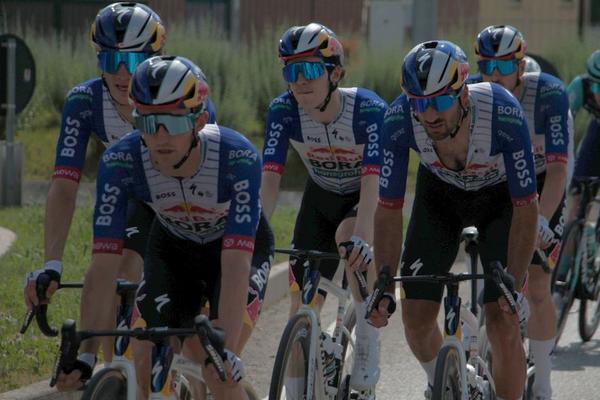
Drafting in road racing means riding in another cyclist’s slipstream to reduce aerodynamic resistance. At racing speeds, shelter can considerably reduce the effort needed to stay with a group. The effect varies with speed, spacing and wind, and it does not eliminate the need to pedal.
In a headwind, riders generally shelter directly behind the wheel ahead. In a crosswind, that protected space moves diagonally. Racers may form staggered lines called echelons, but road width limits the number who can find shelter. Exposed riders can lose contact even on flat roads.
Seek shelter without overlapping wheels or crowding another rider’s space. Smooth steering and a clear view ahead matter more than squeezing into the smallest gap. Developing group riding skills in controlled training sessions makes these decisions more natural.
Breakaways: Why Some Attacks Succeed
A breakaway forms when one or more riders escape the main field. Successful cycling breakaway tactics involve more than a fast acceleration: the attackers must sustain their advantage while the peloton lacks the organisation or motivation to close it.
Choose the Moment and the Company
Attacks may work after a demanding climb, during crosswinds or when repeated surges leave the group hesitant. A counterattack as an earlier move is caught can exploit tired legs. There is no perfect distance from the finish; the course, field strength and remaining kilometres all matter.
Consider who joins the escape. Riders from several strong teams may discourage pursuit because those teams already have representation ahead. But a break containing a dangerous favourite could trigger an immediate chase. An attack’s prospects depend as much on the response behind as on the riders in front.
Share the Work Without Wasting It
In a cooperative break, riders take turns riding in the wind before rotating back into shelter. Even, controlled pulls usually work better than dramatic accelerations that exhaust companions or create gaps. If one rider struggles, the others must decide whether easing the rotation helps the group’s chances.
Near the finish, cooperation can unravel. Someone without a strong sprint may attack early; a faster finisher may prefer to wait. A break can lose its advantage when riders begin watching one another instead of maintaining speed.
Pacing: Spend Effort Where It Changes the Outcome
Smart road race strategy treats repeated hard efforts as a limited resource. Chasing every move, closing unnecessary gaps and riding exposed at the front create fatigue. Yet conserving energy too cautiously can leave you behind when the winning selection forms.
On long climbs, a sustainable rhythm may be smarter than matching an acceleration you cannot hold. On rolling roads, carry momentum over crests and avoid needless bursts. As the finish approaches, using extra energy to secure position before a critical corner can become worthwhile.
Fuel and drink according to the event’s length, weather and a plan you have rehearsed. Learning about cycling power zones can also help distinguish a manageable chase from an effort that compromises your finish.
Team Roles Change the Calculation
Teammates often work towards one rider’s best chance rather than racing as separate individuals. A protected leader saves energy in the draft; other riders cover attacks, control pace or deliver supplies. In a sprint finish, a lead-out rider raises the speed before the designated sprinter launches.
If your teammate is already in a promising break, helping chase it may undermine your team. If a dangerous move goes without your representation, joining the pursuit might be essential. Even individual entrants can read these dynamics by noticing which competitors have allies ahead.
A Practical Race Scenario
Picture an 85-kilometre road race with an exposed crosswind section after 50 kilometres and a short hill eight kilometres from the finish. Your team has a strong climber but no standout sprinter. Teammates shelter the climber and move up before the crosswind instead of attacking repeatedly from the start.
Four riders escape in the wind, including one teammate. Those remaining avoid leading a chase against their own rider while monitoring the gap. If the break survives, the team has a chance ahead. If it returns before the final hill, the protected climber can attack. One coordinated approach creates two possible routes to victory.
Common Tactical Errors
Frequent mistakes include chasing without checking who is ahead, sitting too far back before narrow roads and surging through every turn in a breakaway. Constant activity is not always useful work. Study the route, identify pinch points and practise predictable bunch riding. A well-designed road cycling training plan builds fitness, but course awareness tells you when to use it.
Frequently Asked Questions
Efficient positioning is a foundation for almost every strategy. It helps conserve energy while keeping you close enough to respond when the race changes.
Join when the riders involved, terrain and remaining distance make the move credible and it supports your objectives. Following every attack usually wastes effort.
The bunch may consider the move unthreatening, prefer to save energy or expect another team to chase. Gaps grow when no one accepts responsibility for pursuit.
Crosswinds shift the sheltered position sideways, creating possible echelons. Riders outside the available shelter face more resistance and risk losing contact.
Making Every Move Count
Effective racers combine patience with decisive action. They use drafting to stay fresh, improve position before difficult sections, assess breakaways and understand when teammates should work or hold back. Fitness determines what is possible; tactics influence when that strength becomes decisive. In the next race you watch, ask who is sheltered, who is spending energy and who benefits if the current move stays away.