
Your first amateur MMA bout may look familiar from the gym, but the rules can change what you are allowed to do. A technique seen in a professional fight might be forbidden, while round lengths and protective equipment can be different. Understanding amateur MMA rules in the UK means checking both the standard amateur framework and the rules of your particular event.
For new fighters and spectators alike, the biggest lesson is simple: never assume that every contest labelled amateur follows identical regulations.
Who sets amateur MMA rules in the UK?
The International Mixed Martial Arts Federation (IMMAF) provides a recognised amateur rule framework. In England, the England Mixed Martial Arts Association (EMMAA) publishes standards for affiliated events. However, UK promoters may specify different rule sets or modifications, particularly for beginners and younger competitors.
Before accepting a fight, ask for the exact written rules, the overseeing organisation and any event-specific restrictions. A promotional poster alone cannot tell you which submissions, strikes or equipment are permitted. This applies to MMA competition in the UK across England, Scotland, Wales and Northern Ireland.
How long are amateur MMA rounds?
Under the commonly referenced IMMAF adult format, competitors fight three rounds of three minutes, with a one-minute rest between rounds. Some domestic shows may use different timings, so your bout agreement and event rules are the final reference.
Shorter rounds change pacing. Fighters need to work efficiently without rushing into exhausting exchanges. The three five-minute rounds familiar from many professional contests should not be assumed at amateur level.
How are amateur MMA fights scored?
In standard IMMAF-style competition, three judges use the ten-point-must system. The winner of a round normally receives ten points, while the opponent receives nine or fewer. Judges place particular weight on effective legal striking and grappling, rather than treating an uneventful takedown as an automatic round winner.
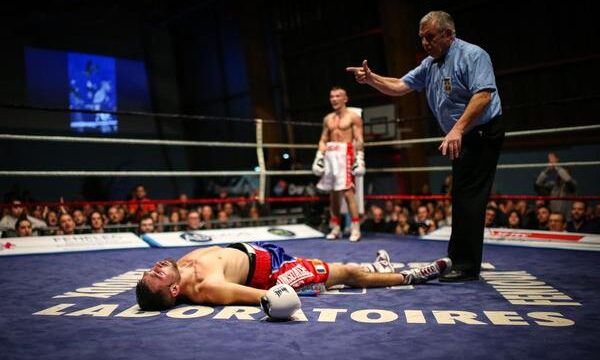
Contests can also end by submission, knockout, technical knockout or disqualification. A referee may stop the action when a fighter cannot defend themselves properly. Fouls can lead to warnings, point deductions or a stoppage, depending on the circumstances.
Which techniques are legal in amateur MMA?
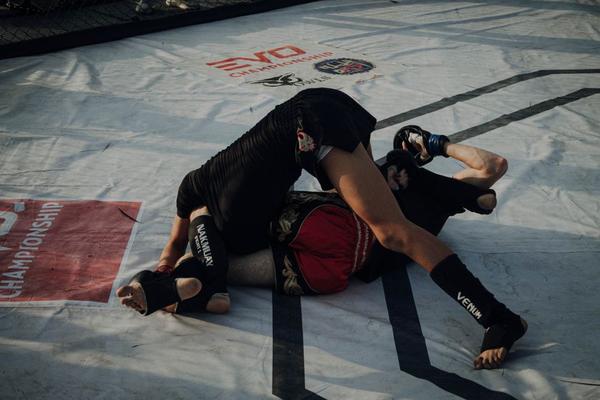
Adult amateur rules allow a genuine mixture of striking, wrestling, takedowns and permitted submissions. Legal punches to a grounded opponent can be allowed under adult IMMAF rules. Youth divisions, however, have tighter restrictions, and some beginner events may restrict ground striking further.
Under the published IMMAF adult amateur framework, the notable prohibited techniques include elbow and forearm strikes, knees to the head, heel hooks, neck cranks, twisters and other submissions applying prohibited pressure to the neck or spine. Kicks and knees to the head of a grounded opponent are fouls.
Other fouls include headbutts, eye gouging, groin strikes, attacks to the back of the head or spine, small-joint manipulation, fence grabbing and strikes after the referee calls a stop. These restrictions are not optional simply because two fighters agree to continue.
A practical cage example
Suppose you secure a takedown and advance to top position. Depending on the adult rule set, legal punches and submission attempts may be available. Switching to an elbow strike is not permitted under IMMAF amateur rules. Rehearsing these transitions in rules-specific sparring helps prevent instinctive mistakes on fight night.
What protective equipment do amateur fighters wear?
IMMAF championship regulations specify approved open-finger gloves weighing six to eight ounces, shin guards, a rash guard and suitable shorts. A fitted mouthguard is required, and male competitors must wear a groin protector under those regulations.
Equipment requirements outside IMMAF championships can vary. Confirm whether the organiser supplies gloves, what kind of shin guards are accepted and how hand wraps are inspected. Standard professional four-ounce gloves or ordinary gym equipment should never be assumed acceptable.
Medical checks and weigh-in rules
Safety procedures begin before a fighter steps into the cage. EMMAA’s affiliate standards cover appropriate matchmaking through coaches, medical personnel, pre- and post-fight checks and recorded suspensions. Referees and medical teams have important responsibilities when injuries occur.
Organisers may request details of previous bouts, injuries, knockouts and medical suspensions. Disclose this information accurately. Hiding an injury to secure a fight can put both the athlete and the event at risk.
Weight classes and weigh-in arrangements also depend on the competition. Confirm the official weight limit, weigh-in time and permitted allowance well in advance. Avoid severe last-minute dehydration; seek qualified guidance on safe weight management instead.
Age groups and amateur eligibility
UK amateur MMA is not one unrestricted category for every age. IMMAF junior competition covers ages 18 to 20, while senior competition starts at 18. Under-18 fighters follow separate youth pathways with stricter safety and technique rules. Parents and coaches should check the specific age division and safeguarding arrangements.
Amateur status also has formal meaning. IMMAF championship eligibility can be lost through professional competition or certain contracted paid bouts. Since 2025, participation in an MMA bout allowing elbows or knees to the head can also make a fighter ineligible under IMMAF criteria. Previous combat-sport experience must be declared honestly.
Preparing for your first UK amateur fight
Imagine a local promoter offers you a debut bout. Before agreeing, have your coach verify the opponent’s experience, weight category, round length and approved kit. Ask specifically whether grounded head punches are allowed, which submissions are forbidden and what instructions officials will use.
Then check the medical cover, weigh-in schedule and post-fight suspension policy. A sensible final training session is a short practice bout using the exact event rules, including referee commands. This helps turn regulations into habits rather than surprises.
Amateur MMA versus professional MMA
Professional MMA generally uses five-minute rounds, smaller gloves and a wider range of permitted strikes. IMMAF-style amateur bouts commonly have shorter rounds, additional protective equipment and stricter limits on techniques. That does not make amateur competition risk-free: timing, defence and preparation remain essential.
Prospective fighters should compare actual rulebooks rather than treating amateur MMA as simply professional MMA with less experience.
Frequently asked questions
Not under IMMAF adult amateur rules. Check the promoter’s regulations; taking part in a bout allowing elbows can affect future IMMAF eligibility.
Adult IMMAF rules can permit legal grounded punches. Youth and some beginner formats restrict them, so always confirm the event’s policy.
The IMMAF adult format is three three-minute rounds, separated by one-minute breaks. Domestic promotions may adopt different lengths.
Yes, structured youth competitions exist, but age-specific rules and safeguarding standards apply. Adult amateur permissions must not be assumed.
Final thoughts
The essential amateur MMA rules UK fighters should understand concern legal techniques, scoring, protective equipment and athlete safety. The exact event framework matters just as much as the general principles. Read the written regulations, prepare with an experienced coach and enter the cage knowing what is permitted from the opening bell.