
A boxing show, an MMA fight night and a wrestling tournament can all take place in the same UK city, yet answer to different organisations. That is why searching for combat sports governing bodies in the UK rarely produces one definitive regulator. The correct authority depends on the discipline, whether competitors are amateur or professional, and sometimes which home nation hosts the event.
What Does a Governing Body Actually Control?
A national governing body typically develops its sport, maintains competition rules, supports coaches and officials, and sets membership, safeguarding and disciplinary standards. Recognition by a UK sports council can indicate a formal place within the publicly recognised sporting structure, but it does not make the organisation a government regulator of every event bearing that sport’s name.
Other organisations have narrower roles. A sanctioning body may approve a championship and award a belt. A promoter arranges an event, while a medical provider assesses competitors. Local authorities may separately determine whether premises need entertainment licensing. When comparing UK combat sports bodies, ask which of those responsibilities each organisation actually holds.
Boxing: Professional and Amateur Systems Are Different
Professional boxing and the BBBofC
The British Boxing Board of Control (BBBofC) is the principal established authority for professional boxing conducted under its jurisdiction. It licenses boxers and other participants, appoints officials, applies contest rules and sets medical requirements. For someone asking which boxing governing body UK professionals deal with, the BBBofC is usually the relevant starting point.
International organisations such as the WBC, WBA, IBF and WBO sanction world titles, but awarding or recognising a championship belt is different from administering the British event itself. Not every event advertised as professional boxing necessarily operates under BBBofC jurisdiction, so checking the specific show matters.
Amateur boxing across the home nations
Amateur boxing has a separate structure. England Boxing oversees affiliated amateur clubs and competitions in England; Boxing Scotland and Welsh Boxing serve their respective nations. In Northern Ireland, the Ulster Provincial Boxing Council operates within the Irish Athletic Boxing Association’s all-island structure. GB Boxing, meanwhile, supports the high-performance pathway rather than acting as every local club’s regulator.
MMA: A Less Centralised Regulatory Picture
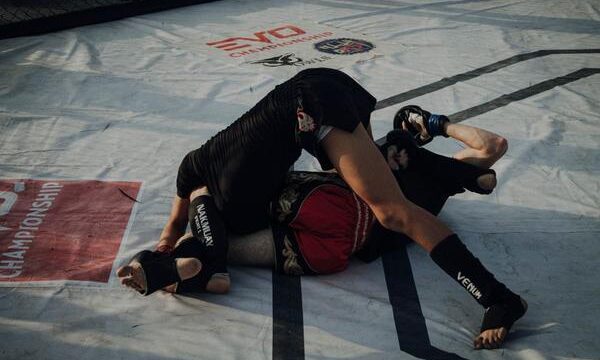
Mixed martial arts does not have one statutory UK regulator equivalent to a national athletic commission overseeing every promotion. Amateur federations and national organisations, including the English Mixed Martial Arts Association, work on competition structures and development, but their influence should not be confused with universal legal authority over professional MMA.
Promotions adopt competition rules and commission officials and medical provision for their events. Safe MMA is an independent medical-safety charity providing competitor registration and pre-fight screening for participating promotions. Its work is meaningful, but a fighter appearing on its register should not be mistaken for evidence that a government body regulates the entire event.
Consider a fighter offered a bout on a regional card. Before signing, they should ask who sets the rules, who checks the matchmaking, which doctor covers the event, how medical suspensions are handled and whether an independent medical clearance system is used. Those answers tell a more useful story than a promotional claim that the event is simply ‘sanctioned’. Our explanation of MMA judging and scoring offers further context for understanding what happens inside the cage.
Wrestling: Competitive Sport Versus Entertainment
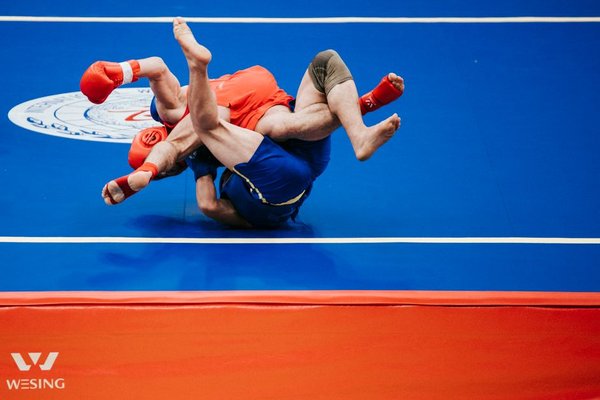
The British Wrestling Association, commonly known as British Wrestling, is the national governing body for competitive wrestling in the UK. Its remit includes Olympic freestyle and Greco-Roman wrestling and related recognised disciplines. It supports clubs, coaches, officials and athlete pathways, with home-nation and regional involvement.
Professional wrestling shows are a different category. Their choreographed entertainment format is not governed by British Wrestling in the way Olympic-style competition is. Promotions determine performance arrangements, while venue licensing and general safety obligations may also apply. Anyone researching wrestling oversight should first establish whether the event is a sporting contest or an entertainment production.
Martial Arts: One Umbrella Cannot Cover Every Discipline
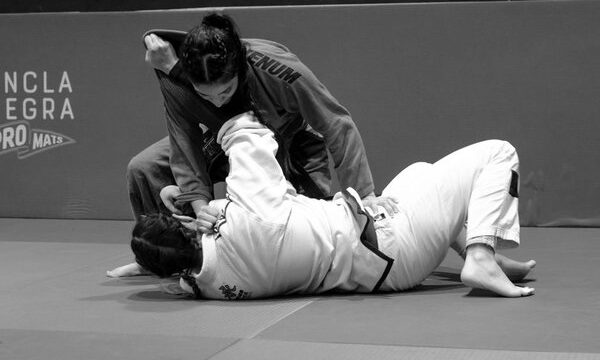
Martial arts governing bodies are diverse because the sports themselves are diverse. The British Judo Association oversees the recognised judo pathway. British Taekwondo and the British Taekwondo Council have recognised roles in taekwondo, while Kickboxing GB appears in Sport England’s recognised-body directory. The UK Brazilian Jiu Jitsu Association is also listed there.
Karate illustrates why labels demand care. Clubs and federations certainly exist, but Sport England’s current directory does not list a recognised national governing body for karate in England. A club claiming membership of a karate association is therefore not necessarily claiming recognition as the sport’s sole public governing authority.
Different rule sets can also coexist inside a discipline. A taekwondo club preparing athletes for Olympic-style competition may follow a different competition pathway from a traditional martial arts association. Parents should check the club’s affiliation, instructor credentials, safeguarding arrangements and the exact rules used in tournaments rather than relying on a familiar-sounding federation name. Our guide to choosing a martial arts club can be a useful companion.
Who Is Responsible When an Event Takes Place?
Sporting affiliation is only part of the picture. In England and Wales, the Licensing Act 2003 treats boxing or wrestling entertainment, including certain combined fighting sports, as regulated entertainment. Applicable permissions and exemptions depend on the activity and circumstances. Scotland and Northern Ireland have different legal frameworks, so a promoter should check the relevant local requirements instead of assuming one UK-wide event licence exists.
A practical check involves separating four questions: who sets competition rules, who licenses or approves participants, who supplies medical and safeguarding arrangements, and who is responsible for the venue’s lawful operation? If an organiser cannot clearly identify those roles, further scrutiny is sensible before competing or enrolling a child.
Frequently Asked Questions
No. Boxing, MMA, competitive wrestling and different martial arts follow separate structures. Some have publicly recognised national governing bodies; others rely more heavily on federations, promoters or voluntary standards.
No. The BBBofC principally oversees professional boxing under its jurisdiction. Amateur clubs and competitions generally fall within the appropriate amateur boxing bodies and their affiliated structures.
MMA events are subject to applicable laws and venue requirements, but there is no single statutory sporting regulator covering every UK professional promotion. Standards and oversight arrangements can differ between organisers.
Check the named affiliation directly with the relevant organisation, ask for the applicable competition rules and confirm coaching qualifications, safeguarding procedures and medical cover. A logo on a poster is not sufficient proof by itself.
Understanding the System
The most reliable way to navigate UK combat sports governance is to identify the discipline, the level of competition and the precise responsibilities of each organisation involved. A governing body, a title sanctioner and a venue licensing authority may all influence the same event without doing the same work. Knowing where those boundaries sit makes it easier to ask the right questions and recognise credible oversight.