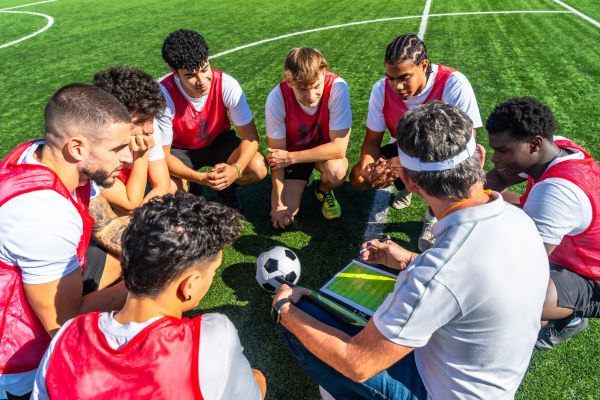

Coaching young athletes involves far more than teaching them how to pass a ball, hold a racket, or run a particular play. A youth coach also shapes confidence, teamwork, discipline, and a child’s relationship with sport. The technical side matters, of course, but the emotional environment often determines whether players continue participating.
Effective youth coaching strategies recognize that children are still learning how to handle instructions, mistakes, competition, and pressure. They need structure without intimidation, encouragement without empty praise, and challenges suited to their stage of development. When those elements come together, practices become more productive and sport becomes something young athletes genuinely look forward to.
Understand the Age Group You Are Coaching
A training session that works beautifully for teenagers may completely lose a group of seven-year-olds. Children develop physically, socially, and emotionally at different rates, so coaching methods must match the age group.
Younger players generally need short activities, simple instructions, and frequent movement. Their attention can drift during lengthy explanations, even when they are interested. Demonstrating a skill and letting them try it is usually more effective than delivering a detailed speech.
Older children can manage more complex tactics and take greater responsibility for decision-making. Even then, coaches should avoid treating them like small adults. They may understand advanced instructions while still struggling with frustration, embarrassment, or fear of disappointing others.
Knowing the players individually is just as important. Two children of the same age may have very different confidence levels and learning needs.
Create a Safe and Welcoming Environment
Young athletes learn best when they feel secure. They should be able to ask questions, attempt unfamiliar skills, and make mistakes without expecting ridicule.
A welcoming environment begins with the coach’s tone. Correcting a player does not require anger or humiliation. Calm, specific guidance usually produces better results because the athlete can focus on the instruction rather than the embarrassment.
Coaches must also respond quickly to bullying, exclusion, and disrespect between teammates. Ignoring those behaviors can quietly damage the entire group. Clear expectations around language, conduct, and sportsmanship help establish a team culture in which every participant is treated fairly.
Physical safety deserves equal attention. Equipment, playing surfaces, weather conditions, hydration, and appropriate warm-ups should be checked regularly. Children may not always recognize or communicate when something is unsafe, so the responsibility rests with the adults.
Keep Instructions Clear and Brief
Coaches sometimes provide too much information at once. They explain foot position, body angle, timing, movement, and tactical purpose before a young player has attempted the basic skill. By the end, the athlete remembers very little.
Clear coaching focuses on one or two useful points at a time. After a brief explanation and demonstration, players should have an opportunity to practice. Additional details can be introduced as they become comfortable.
Language should be direct and age-appropriate. Technical terms are useful when they help players understand the sport, but unfamiliar jargon can make simple ideas seem complicated.
It also helps to ask players what they noticed or understood. A child nodding during an explanation may still be confused. A quick question allows the coach to check understanding without making the player feel singled out.
Make Practice Active and Enjoyable
Children usually join sports because they want to play. A practice dominated by waiting in lines or listening to long talks can quickly drain that enthusiasm.
Effective sessions keep as many players moving as possible. Small-group drills, rotating stations, and modified games can provide more touches, attempts, and decisions than activities involving one player at a time.
Enjoyment does not mean removing structure or avoiding hard work. A lively training session can still be demanding. The difference is that players remain mentally involved while developing their skills.
Games with simple goals often teach more than repetitive drills alone. A coach might adjust the playing area, number of participants, or scoring rules to encourage a particular skill. Players then learn to apply the technique under realistic pressure while still experiencing the natural fun of competition.
Focus on Development Before Results
Winning can be exciting, and there is nothing wrong with wanting to compete. Problems arise when the score becomes the only measure of progress.
Youth teams may win because they have physically mature players, not because their athletes are developing stronger skills. A coach focused solely on immediate results may rely on the same children, avoid experimentation, and give less playing time to beginners. That approach can produce victories while limiting long-term growth.
Development-focused coaching looks for improvement in decision-making, effort, technique, communication, and confidence. The final score remains part of the experience, but it does not define the value of the session.
This perspective also helps children respond to losses. Instead of treating defeat as failure, the coach can identify what improved and what the team will work on next.
Give Feedback That Players Can Use
“Good job” feels encouraging, but it does not tell an athlete what went well. Specific feedback is more meaningful. Telling a player that they kept their head up before making a pass reinforces a behavior they can repeat.
Corrections should be equally precise. Rather than saying a player performed poorly, explain the small adjustment that may improve the next attempt. Young athletes need to know that an error is something they did, not a reflection of who they are.
Timing matters as well. Constantly interrupting an activity can prevent players from developing rhythm or solving problems independently. Sometimes it is better to let the action continue, observe a pattern, and offer guidance during a natural pause.
Balanced feedback helps children stay confident while recognizing that improvement requires attention and effort.
Encourage Independent Thinking
A coach can direct every movement from the sideline, but players eventually need to make their own decisions. Sport unfolds quickly, and athletes cannot always wait for instructions.
Asking questions encourages young players to think. A coach might ask what space was available, why a particular choice worked, or what could be tried differently next time. These conversations help athletes understand the game instead of merely memorizing commands.
Small-sided games are especially valuable because each participant encounters more decisions. Players begin to notice patterns, communicate with teammates, and adjust without constant intervention.
Allowing some independence may lead to mistakes, but that is part of learning. A player who discovers a solution often remembers it more clearly than one who was simply told what to do.
Set Realistic and Individual Goals
Young athletes do not all begin at the same level. Comparing every player against the strongest member of the team can discourage those who are still learning and place unnecessary pressure on advanced participants.
Individual goals provide a fairer measure of development. One player may be working on basic coordination, while another is refining tactical awareness. Both can make meaningful progress during the same season.
Goals should be specific enough for children to understand. “Improve your passing” is vague. “Look toward the target before each pass” gives the player something observable to practice.
Celebrate steady progress, not only major achievements. Small improvements build confidence and show young athletes that ability develops through consistent effort.
Build Teamwork and Shared Responsibility
A strong youth team is not simply a collection of talented individuals. Players need to learn how to communicate, support one another, and contribute when they are not the center of attention.
Coaches can strengthen teamwork by rotating responsibilities and encouraging players to recognize good contributions from teammates. Leadership opportunities should not always go to the loudest or most skilled athletes.
Fair participation is important too. While playing-time policies may vary by age and competitive level, every child should receive genuine opportunities to develop. Repeatedly leaving the same players on the sidelines sends a powerful and often damaging message.
Team values become real through daily behavior. Respectful communication, shared equipment duties, and positive responses to mistakes matter more than slogans that are never practiced.
Communicate Constructively With Parents
Parents can be valuable partners, but confusion about roles often creates tension. Coaches should explain expectations, schedules, communication methods, playing-time policies, and behavioral standards early in the season.
Conversations about a child’s progress should remain respectful and focused on development. Emotional discussions immediately after a game are rarely productive. A calmer time allows everyone to speak more thoughtfully.
The coach should also encourage parents to support effort and enjoyment rather than analyzing every mistake on the journey home. Children benefit when the adults around them deliver consistent messages about patience, learning, and sportsmanship.
Clear boundaries protect the coach, the parents, and most importantly, the young athletes caught between them.
Reflect and Adapt as a Coach
No practice plan works perfectly every time. A drill may be too difficult, an explanation may fall flat, or the group may arrive unusually tired. Good coaches notice what is happening and adjust.
Reflection can be simple. After each session, consider which activities engaged the players, where confusion appeared, and whether everyone had meaningful opportunities to participate. Feedback from assistant coaches and athletes can reveal things that were easy to miss.
Continuing to learn is part of responsible coaching. Rules, safety guidance, teaching methods, and knowledge about youth development all evolve. A coach who remains curious is better prepared to serve the players.
Coaching for Growth That Lasts
The most effective youth coaching strategies balance skill development with patience, enjoyment, safety, and emotional support. Young athletes need guidance, but they also need room to explore, make decisions, and recover from mistakes.
Seasons end, scores are forgotten, and trophies eventually gather dust. What often remains is how the coach made each child feel about participating. A thoughtful coach can help young people become more confident, cooperative, resilient, and willing to keep learning. That is a form of success that reaches well beyond the playing field.