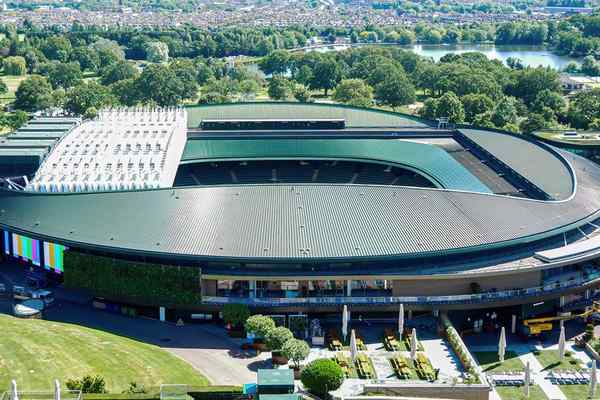

For many tennis fans, attending Wimbledon is a bucket-list experience, but getting through the gates requires more planning than buying a standard sports ticket. Demand is enormous, the official buying routes are tightly controlled, and the best option depends on whether you prepare months ahead or queue on the day. One important update comes first: The Championships 2026 took place from Monday 29 June to Sunday 12 July, so the ballot, daily Queue and on-site resale process for that tournament have now ended. This Wimbledon 2026 tickets guide explains how tickets were made available and what fans should remember when preparing for the next Championships.
Wimbledon 2026 dates and current ticket status
The confirmed Wimbledon 2026 dates covered 14 days of play, beginning on Monday 29 June and ending with the Gentlemen’s Singles Final on Sunday 12 July. Early rounds offered the widest choice of matches across the Grounds, while the second week focused increasingly on quarter-finals, semi-finals and finals.
It is no longer possible to buy a valid ticket for Wimbledon 2026. Fans planning a future visit should create a myWimbledon account, keep their contact details current and opt in to ticket and ballot communications. Creating an account alone does not enter you into the Wimbledon ballot; you must submit an application during the official entry window.
How Wimbledon 2026 tickets were officially sold
There was no single general sale covering every seat. Tickets were distributed through the public ballot, official ticket returns, the on-the-day Queue, authorised hospitality and debenture tickets. Understanding these routes is central to learning how to buy Wimbledon tickets safely.
The Wimbledon public ballot
The public ballot was the main advance-purchase route for ordinary spectators. Applications for 2026 opened on 2 September 2025 and closed at 23:59 BST on 21 September 2025. Applicants needed a myWimbledon account and had to complete the ballot entry separately.
Entering did not guarantee tickets, and applicants could not choose a specific court, day or seat. Successful entries were allocated available tickets through an automated process. To keep access fair, only one application was accepted per household, email address and myWimbledon account.
The official ticket returns shop
Fans who entered the ballot but were unsuccessful could receive access to an official returns shop before the tournament. Returned tickets appeared subject to availability, so checking regularly and acting quickly improved the chances of securing a seat. This was a legitimate second opportunity, not a guaranteed sale.
The safest approach was to use only the ticketing channels identified by Wimbledon. A social media seller claiming to have an ordinary ballot ticket was not a reliable alternative because standard tickets could not simply be advertised and resold on the open market.
The Queue for on-the-day tickets
Wimbledon remained unusual among major sporting events because spectators could buy limited tickets on the day through the Queue. For 2026, the Queue opened for Day 1 at 2pm on Sunday 28 June. Daily availability included Grounds entry and a limited number of Show Court tickets, generally sold one per person and treated as non-transferable.
Anyone considering this route needed realistic expectations. The Queue often began building the evening before, while many visitors arrived very early in the morning. Capacity limits could also mean waiting for people to leave before further Grounds entry became possible. Checking the official Queue status before travelling was essential.
Hospitality and debenture tickets
Official hospitality offered a more predictable but usually more expensive route, combining valid admission with dining or other services. It suited visitors who valued certainty and convenience more than the lowest price.
Debenture tickets were different because they were the only Championships tickets that could legally be transferred or sold on the open market. Buyers still needed to confirm that a secondary listing was genuinely for a debenture ticket and that the seat details matched the information supplied.
How much did Wimbledon tickets cost in 2026?
Prices varied by court, seat band and day. Official Centre Court tickets ranged from £80 for some opening-day seats to £350 for higher-category seats on the final weekend. Later-round tickets cost more because demand and the importance of the matches increased.
Visitors with Grounds Passes could also use the official on-site resale system, subject to availability. Returned Show Court tickets cost £15 for Centre Court and £10 for No.1 Court or No.2 Court. This was an in-Grounds service, not permission to buy ordinary tickets from unofficial websites.
Practical Wimbledon queue tips
Good preparation made the Queue more manageable. Visitors were asked to download the Wimbledon app and create a myWimbledon account before attending. Anyone camping overnight had to follow equipment restrictions, including the rule limiting tents to two-person models. Gazebos, barbecues, camping stoves and fires were not allowed.
Bring only essential luggage, wear clothing suitable for changing weather and carry a refillable water bottle. Food outlets, toilets, water stations and first aid were available in Wimbledon Park, but the day could still be tiring. A portable charger was useful because the app and account were important for ticketing and updates.
The most valuable Wimbledon queue tip was flexibility. Fans willing to buy a Grounds Pass, watch outside courts and enjoy the wider atmosphere often had a better experience than those focused only on Centre Court.
How to avoid fake or invalid Wimbledon tickets
Wimbledon’s rules were clear: ordinary tickets could not be freely resold, advertised or transferred. Tickets promoted through unofficial websites, online adverts or social media could be cancelled or rejected at the gate. A screenshot or confirmation email did not prove that the seller had the right to transfer it.
Use an official sales route, an authorised hospitality provider or a verifiable debenture-ticket seller. Never send money simply because a seller creates urgency. The risk is not only financial; arriving with an invalid ticket can leave you without a realistic same-day alternative.
Frequently asked questions
No. Wimbledon 2026 ended on 12 July 2026, so its ballot, Queue and on-site resale options are closed. Fans should follow official announcements for the next public ballot.
No. Creating an account was only the first step. Applicants had to submit a separate ballot application during the official entry period.
No. Ballot applicants could not request a particular day, court or seat. Tickets were allocated from available inventory.
Only debenture tickets could legally be sold on the open market. Standard tickets advertised by unofficial sellers were risky and could be invalidated. The on-site resale kiosk was a separate service for spectators already inside the Grounds.
Conclusion
The best route to Wimbledon depended on timing, budget and flexibility. The public ballot rewarded early planning, the official returns shop offered another chance, and the Queue preserved the possibility of buying on the day. Hospitality and debenture tickets provided greater certainty at a higher cost. Although Wimbledon 2026 has finished, the process offers a useful template for future applications: register early, follow official updates, stay flexible and never gamble on an unofficial ticket.