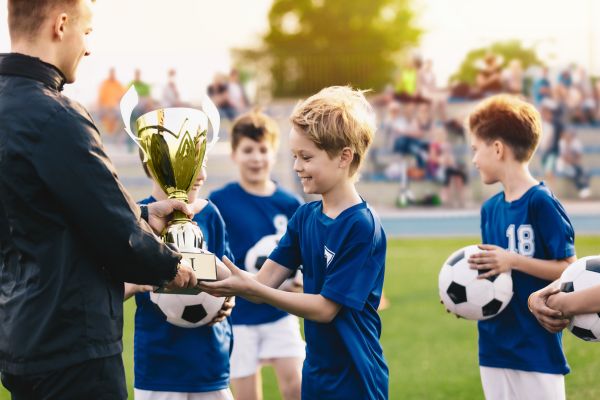

Youth sports seasons are full of moments that do not always show up on the scoreboard. There is the child who finally makes contact with the ball after weeks of trying. The quiet teammate who helps collect cones after practice without being asked. The player who cheers from the bench louder than anyone else. The one who loses gracefully, wins humbly, and somehow keeps everyone smiling during a tough game.
That is why end-of-season awards can mean so much. They are not just about trophies or certificates. At their best, they give young athletes a chance to feel seen. Good youth sports awards ideas should celebrate effort, growth, attitude, teamwork, courage, and character, not only goals, points, speed, or wins.
A thoughtful awards ceremony can turn an ordinary team gathering into a lasting memory. It can remind kids that their contribution mattered, even if they were not the star player. And honestly, that is often the part they remember years later.
Celebrating More Than the Best Player
Every team has standout performers, and there is nothing wrong with recognizing athletic excellence. The top scorer, strongest defender, fastest runner, or most consistent player deserves appreciation. But youth sports are about development as much as performance.
If awards only go to the most naturally gifted athletes, other children may walk away feeling invisible. That can be discouraging, especially for younger players who are still learning the basics. A balanced approach makes space for both achievement and personal progress.
Awards can highlight the player who improved the most, the one who showed up with the best attitude, or the teammate who never gave up during difficult drills. These honors help children understand that sports are not only about being the best. They are also about becoming better.
The Most Improved Player Award
The Most Improved Player award is one of the most meaningful recognitions in youth sports. It honors the child who made noticeable progress during the season, whether in skill, confidence, focus, or understanding of the game.
This award can be especially powerful because improvement usually comes from patience. A player may begin the season unsure, hesitant, or frustrated. Over time, with practice and encouragement, something changes. Their passes become cleaner. Their running becomes stronger. Their decision-making gets sharper. They start believing they belong.
When presenting this award, it helps to mention the specific growth the coach noticed. Children love hearing real examples. A simple comment about how they kept practicing, listened carefully, or tried again after mistakes can make the award feel personal and sincere.
The Best Team Spirit Award
Some players bring energy that lifts everyone around them. They clap after a good play, encourage teammates after mistakes, and keep the mood alive when the team is tired. The Best Team Spirit award is perfect for recognizing that kind of presence.
Team spirit is not just noise or excitement. It is a form of leadership. A child who supports others helps create a healthier team environment. They teach by example that encouragement matters, especially when things are not going well.
This award works well for athletes who may not always lead in statistics but lead in heart. It tells them that positivity is valuable. In youth sports, that lesson is worth celebrating.
The Hardest Worker Award
The Hardest Worker award recognizes effort that is steady, honest, and visible. This is for the player who gives full energy during drills, keeps trying during tough practices, and does not look for shortcuts.
Young athletes need to learn that effort is something they can control. They may not always control the result of a match or their natural ability compared to others. But they can control how they prepare, how they listen, and how they respond when challenged.
This award can motivate the whole team because it places value on dedication. It says that hard work matters even when no one is keeping score. For many children, that message stays with them long after the season ends.
The Great Sportsmanship Award
Sportsmanship is one of the most important lessons youth sports can teach. The Great Sportsmanship award honors the player who treats opponents, referees, coaches, and teammates with respect.
This might be the child who helps an opponent up after a fall, accepts a referee’s call without arguing, or congratulates the other team after a close game. These moments may seem small, but they show emotional maturity.
In a world where competition can sometimes become too intense, this award gently reminds children that how they play matters as much as whether they win. It encourages grace, fairness, and respect, which are qualities every young athlete needs.
The Quiet Leader Award
Not every leader is loud. Some children lead by showing up consistently, listening well, staying calm, and doing the right thing without needing attention. The Quiet Leader award is a thoughtful choice for the player whose influence is steady but understated.
This award can be especially meaningful for shy or reserved athletes. They may not always raise their voice or take center stage, but their actions speak clearly. Coaches often notice these players because they set a tone without making a big performance of it.
Recognizing quiet leadership helps children understand that there are many ways to be valuable. Confidence does not always have to be loud. Sometimes it looks like responsibility, patience, and calm effort.
The Comeback Kid Award
Every season has challenges. A player might struggle with confidence, miss games due to injury, go through a slump, or feel frustrated with their progress. The Comeback Kid award celebrates resilience.
This award is not about pretending difficulties are easy. It is about honoring the courage to return, try again, and keep moving forward. For young athletes, that can be a very big deal. A child who learns to recover from setbacks is learning something deeper than sport.
When handled with care, this award can be uplifting without embarrassing the child. The focus should be on strength, determination, and growth, not on the struggle itself.
The Practice Champion Award
Games get the attention, but practice is where much of the real development happens. The Practice Champion award recognizes the player who brings focus and effort to training sessions.
This could be the athlete who listens closely during demonstrations, asks thoughtful questions, practices skills after others have stopped, or brings consistent energy even on ordinary days. It is a great way to show that preparation matters.
Young players sometimes think only game-day performance counts. This award helps them see the value of habits. It reminds them that what they do when the crowd is not watching often shapes what happens when it is.
The Best Teammate Award
The Best Teammate award is one of the warmest youth sports awards ideas because it focuses on kindness, support, and connection. It recognizes the player who makes others feel included and valued.
This might be the child who welcomes new players, shares equipment, encourages someone who is nervous, or celebrates another teammate’s success without jealousy. These actions build trust inside the team.
For children, learning how to be a good teammate can be just as important as learning technique. It teaches cooperation, empathy, and emotional awareness. A strong team is not only made of skilled players. It is made of children who care about one another.
Fun Awards That Keep the Mood Light
Not every award needs to feel serious. Fun awards can add laughter and personality to the ceremony. They are especially nice for younger teams, as long as they are kind and never teasing in a hurtful way.
Awards like Best Celebration, Biggest Smile, Most Energetic Warm-Up, Best Game Face, or Most Likely to Cheer First can make kids laugh while still making them feel appreciated. The key is to keep the tone positive. A funny award should never point out a weakness or make a child feel singled out for the wrong reason.
These lighthearted moments help the ceremony feel less formal and more personal. They remind everyone that youth sports should still feel joyful.
Making Awards Feel Personal
The best awards are not generic. Even a simple certificate becomes special when the coach shares a short story or specific detail. Instead of only saying, “You worked hard,” a coach might say, “You stayed after practice to work on your passing, and by the last few games, everyone could see the difference.”
That kind of recognition feels real. It tells the child that someone was paying attention.
Personalized awards also help parents see their child’s growth through the coach’s eyes. Many families treasure those little comments because they capture a season in a way statistics cannot.
Keeping the Ceremony Inclusive
An awards event should leave every child feeling respected. Some teams choose to give each player a unique award. Others give a smaller number of awards while still acknowledging everyone during the ceremony. Either approach can work, but the mood should feel inclusive rather than competitive.
For younger children especially, it is helpful to make sure no one leaves feeling forgotten. Even a few kind words about each athlete can make a difference. Youth sports are often where kids form their first ideas about confidence, belonging, and effort. The awards ceremony should support those ideas, not damage them.
Conclusion
Youth sports awards ideas should go beyond naming the strongest player or highest scorer. The most meaningful awards celebrate the full experience of a season: the effort, growth, courage, humor, kindness, and teamwork that make youth sports special.
When coaches and parents take time to recognize different kinds of contribution, children learn a powerful lesson. They learn that being part of a team is not only about winning games. It is about showing up, improving, supporting others, and handling challenges with heart.
A good award may sit on a shelf or get tucked into a memory box, but the feeling behind it can last much longer. For a young athlete, being seen for who they are becoming can matter more than any final score.