
For young athletes, hydration can seem like a small detail compared with training, skill, speed, strength, or winning the next match. A water bottle sits on the sideline, a coach reminds the team to drink, and most kids take a few quick sips before running back into play. Simple enough, right?
Not always.
Hydration plays a much bigger role in youth sports than many people realize. It affects energy, focus, coordination, body temperature, recovery, and even mood. A child who is slightly dehydrated may not always say, “I need water.” They may simply look tired, move slower, complain of a headache, feel dizzy, or lose interest in practice. In warmer weather, the effects can build quickly.
Good hydration habits do not need to be complicated. They do, however, need to be consistent. These hydration tips for young athletes can help parents, coaches, and children understand what the body needs before, during, and after sports.
Why Hydration Matters for Young Athletes
Children and teenagers are still growing, and their bodies handle heat and physical stress differently from adults. During exercise, the body produces heat. Sweating helps cool it down, but sweat also means fluid loss. If that fluid is not replaced, the body has to work harder to keep going.
For young athletes, dehydration can affect performance before it becomes obvious. A child may feel heavy-legged during a football game, lose concentration during tennis, or struggle with timing in basketball. They might become more irritable, less coordinated, or more likely to make simple mistakes. Sometimes parents think the child is tired or distracted, when the real problem is that they have not had enough fluid.
Hydration also supports recovery. Muscles, joints, digestion, circulation, and temperature control all depend on water. When young athletes stay properly hydrated, they are better prepared to train, compete, and bounce back afterward.
Hydration Should Start Before Practice
One of the biggest mistakes young athletes make is waiting until practice begins to drink water. By then, especially on a hot day, they may already be starting behind. Hydration works best when it begins hours before activity, not minutes before warm-up.
A child should drink regularly throughout the day. That means having water with breakfast, taking a bottle to school, drinking with lunch, and having some fluid before heading to training. This steady approach is much better than drinking a large amount all at once right before exercise.
Drinking too much too quickly can also cause discomfort. A stomach full of water may make running, jumping, or quick movement feel unpleasant. Small, regular drinks are easier for the body to handle.
Parents can help by making hydration part of the daily routine. A water bottle near the school bag, a reminder before leaving for practice, or a drink with an after-school snack can make a real difference without turning it into a big lecture.
Water Is Usually the Best Starting Point
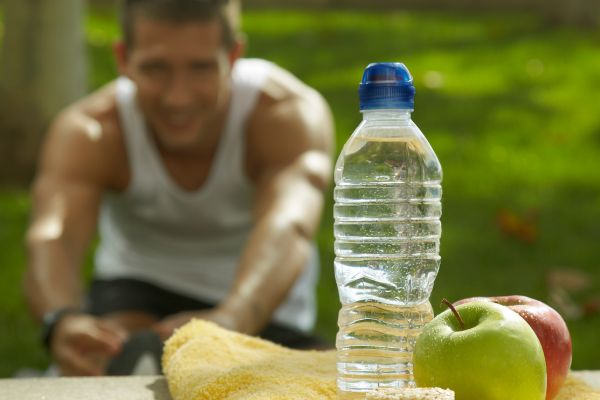
For most young athletes, water should be the main drink. It is simple, effective, and suitable for everyday training. Short practices, light games, skill sessions, gym class, and regular physical activity usually do not require anything more than water and normal meals.
Water hydrates without adding unnecessary sugar or extra ingredients. This matters because many children are drawn to sweet sports drinks, juices, and flavored beverages. These drinks may seem sporty or healthy, but they are not always needed.
That does not mean sports drinks have no place. During long, intense activity, especially in hot weather, drinks with electrolytes and carbohydrates may be useful. But for many regular sessions, water is enough. Teaching young athletes this early helps them understand that hydration is not about bright colors or labels. It is about what the body actually needs.
Pay Attention to Weather and Sweat
Hydration needs change with the conditions. A child playing indoors in cool weather will not lose fluid the same way as a child running outside in summer heat. Hot, humid days increase sweat loss and make it harder for the body to cool itself.
Young athletes may also sweat differently from one another. Some finish practice with soaked shirts, wet hair, and salty marks on their clothes. Others barely seem to sweat at all. A heavy sweater may need more fluid and, during longer activity, may also need more attention to electrolytes.
Parents should watch how their child responds to different environments. If they regularly come home exhausted, complain of headaches after practice, or seem unusually drained after hot-weather sports, hydration may be part of the issue. It is also worth noticing whether they are drinking enough before the session, not just afterward.
Cold weather can be tricky too. Children may not feel as thirsty when the air is cool, but they still lose fluid through sweat and breathing. A young athlete bundled in layers can become dehydrated without realizing it. Hydration should not disappear just because the weather feels mild.
Build Drinking Breaks Into Activity
Young athletes often get caught up in the game. They may ignore thirst, forget their bottle, or avoid drinking because they do not want to miss a drill. This is why planned drinking breaks are important.
During practice or competition, children should have chances to drink at regular intervals. Waiting until they feel very thirsty is not ideal, because thirst can lag behind the body’s actual fluid needs. A few sips during breaks can help maintain energy and comfort.
Coaches play an important role here. A team culture that treats water breaks as normal and necessary helps children take hydration seriously. It also removes the idea that asking for water is a sign of weakness. Young athletes should never feel embarrassed for needing a drink.
Parents can support this by sending children with a full bottle and making sure it is easy to identify. A child who has to search through a pile of identical bottles may simply skip drinking. Something as simple as a name label can help.
Know the Signs of Dehydration
Children do not always explain symptoms clearly, so adults need to recognize warning signs. Dehydration can show up in different ways. A young athlete may have a dry mouth, headache, dizziness, tiredness, muscle cramps, dark urine, or reduced energy. They may also seem confused, unusually emotional, or less alert than normal.
More serious signs need urgent attention. If a child becomes very dizzy, stops sweating in extreme heat, feels faint, has a rapid heartbeat, vomits repeatedly, or appears disoriented, they should be removed from activity and evaluated quickly. Heat-related illness can become dangerous, especially when symptoms are ignored.
The goal is not to panic over every tired moment. Sports are physically demanding, and children do get tired. But when symptoms appear during heat, after heavy sweating, or alongside poor fluid intake, hydration should be taken seriously.
Make Hydration Easy, Not Stressful
Children are more likely to drink enough when hydration feels easy. A bottle they like, water that is cool, and reminders that are calm rather than nagging can all help. Some children drink more when water has a slice of fruit or a mild flavor. Others prefer plain cold water.
The key is consistency. Hydration should feel like brushing teeth or packing sports shoes: just part of the routine. Parents do not need to turn every sip into a rule. Instead, they can create simple habits around school, meals, practice, and bedtime.
It also helps to explain the “why” in a way children understand. Telling a young athlete that water helps their muscles work, keeps their brain sharp, and helps them feel better during games may be more effective than simply saying, “Drink more.”
Be Careful With Energy Drinks
Energy drinks are not the same as sports drinks, and they are generally not appropriate for young athletes. Many contain caffeine and other stimulants that can affect heart rate, sleep, anxiety, and overall health. The packaging can look exciting, and older athletes may use them, but that does not make them safe or necessary for children.
Young athletes need hydration, rest, balanced food, and age-appropriate training. They do not need stimulant-based drinks to perform well. If a child feels they cannot get through practice without an energy drink, something else may need attention, such as sleep, nutrition, training load, or recovery.
Parents should talk openly about this. A calm conversation is usually better than simply banning something without explanation. Children are more likely to make good choices when they understand the reason behind them.
Food Also Supports Hydration
Hydration does not come only from drinks. Many foods contain water and important minerals. Fruits like oranges, watermelon, berries, and apples can contribute fluid. Soups, yogurt, cucumbers, and other water-rich foods can also help.
Regular meals matter too. Sodium, potassium, and other minerals from food support fluid balance. A young athlete who skips meals may have a harder time staying energized and hydrated, especially during long training days.
An after-school snack before practice can be helpful. Something simple, such as fruit with yogurt, toast with eggs, or a sandwich with water, may prepare the body better than rushing straight into activity on an empty stomach.
After Sports, Rehydration Still Matters
The end of practice is not the end of hydration. After exercise, young athletes need to replace the fluid they lost through sweat. This is especially important after intense sessions, hot-weather games, or tournaments.
Water is often enough after normal activity, especially when followed by a balanced meal. If the session was long and sweaty, a drink with electrolytes or a salty snack with water may be useful. The body needs both fluid and nutrients to recover well.
Parents can look for simple clues after activity. Is the child extremely thirsty? Do they have a headache? Is their urine dark later in the day? Are they unusually tired? These signs may suggest they need to drink more consistently before and during the next session.
Teach Young Athletes to Listen to Their Bodies
One of the best hydration tips for young athletes is also one of the simplest: learn to listen. Children should understand that thirst, headache, dizziness, cramps, and unusual fatigue are signals worth noticing. They should feel comfortable telling a coach or parent when something feels off.
This habit can protect them beyond sports. Learning to respond to the body’s needs is part of becoming a healthy, confident athlete. It teaches responsibility without fear. It also helps children understand that performance is not just about pushing harder. Sometimes it is about taking care of the basics.
Conclusion
Hydration is not a small detail in youth sports. It is part of performance, safety, recovery, and long-term athletic development. Young athletes need steady fluid throughout the day, regular water breaks during activity, and extra attention during heat, long practices, or tournament play.
Water should be the foundation for most children most of the time. Sports drinks may have a place during longer, more intense, or very sweaty sessions, but they should be used with purpose rather than habit. Energy drinks, on the other hand, are not a smart choice for young athletes.
The best approach is simple and consistent. Keep water available, build drinking into the routine, watch for signs of dehydration, and help children understand why hydration matters. When young athletes learn these habits early, they carry more than a water bottle onto the field. They carry a better understanding of how to care for their bodies, and that can support them far beyond the next game.