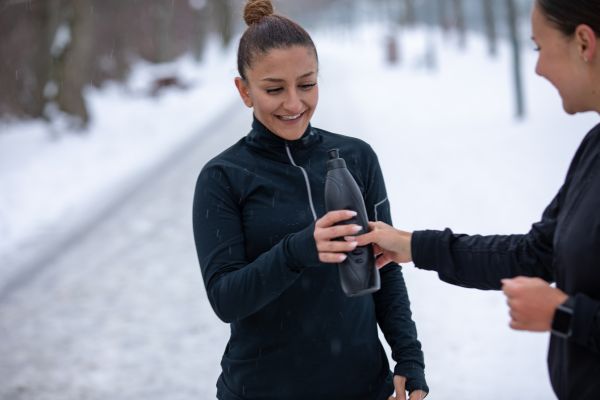

For much of modern sports history, the image of a coach pacing the sidelines or commanding a locker room came with an unspoken assumption: male, authoritative, unquestioned. That picture has been slowly, sometimes painfully, changing. Today, female sports coaches are not just present in the conversation—they are reshaping it. Their influence stretches far beyond wins and losses, touching culture, leadership, and the future of athletics itself.
This shift didn’t happen overnight. It came through persistence, quiet resilience, and an insistence on belonging in spaces that were not built with women in mind. The result is a growing generation of coaches whose impact is both visible on the field and deeply felt off it.
The Long Road to the Sidelines
The journey of female sports coaches has been anything but straightforward. For decades, women were encouraged to play sports but discouraged from leading them. Coaching roles, especially at elite levels, were often closed circles, passed from one familiar face to another. Even when women had the qualifications, the experience, and the results, they were frequently overlooked.
What makes the progress of recent years meaningful is not just the increase in numbers, but the change in perception. Coaching is no longer seen as a role that demands a specific gendered style of authority. Instead, it’s increasingly understood as a complex blend of strategy, communication, emotional intelligence, and adaptability—areas where many women have excelled all along.
Still, the path remains uneven. Female sports coaches often describe having to prove themselves repeatedly, navigating scrutiny that their male counterparts rarely face. Yet, those who persist often develop a clarity of purpose that becomes a powerful leadership asset.
Redefining Leadership in Sports
One of the most compelling aspects of female sports coaches is how they broaden our understanding of leadership. Traditional coaching models tended to emphasize command-and-control tactics: loud instructions, rigid discipline, emotional distance. While those approaches still exist, many women have brought a more layered style to the role.
This doesn’t mean softer or less competitive. On the contrary, many female coaches are intensely demanding. The difference lies in how expectations are communicated. There is often a stronger emphasis on trust, dialogue, and mutual respect. Athletes are challenged not just to perform, but to understand why they are training a certain way or playing a specific role.
Over time, this approach can create teams that are not only disciplined, but deeply connected. Players feel seen as individuals, which can translate into resilience under pressure and stronger long-term development.
The Impact on Athletes
Ask athletes who have worked with female sports coaches, and a recurring theme emerges: perspective. Many describe learning how to balance competitiveness with self-awareness, ambition with empathy. This is especially impactful for younger athletes who are still forming their identity, both on and off the field.
For female athletes, representation matters in a particularly tangible way. Seeing women in leadership positions reinforces the idea that their sporting journey doesn’t have to end when their playing days are over. Coaching becomes a visible, achievable next chapter rather than an abstract possibility.
Male athletes, too, benefit from this exposure. Being coached by women can challenge outdated assumptions about authority and expertise, fostering respect based on knowledge and results rather than stereotypes.
Breaking Barriers at the Professional Level
While women have made significant strides in youth, collegiate, and amateur sports, professional leagues have often been the final frontier. Breaking into these spaces requires not only technical excellence but a willingness to navigate intense public scrutiny.
Female sports coaches who reach professional levels often find themselves carrying symbolic weight. Their performance is sometimes treated as a referendum on women’s capability as a whole, an unfair burden that few men ever experience. Yet many have responded by focusing on the work itself—preparation, analysis, and execution.
Their presence is gradually shifting norms. As teams and organizations see tangible results, the conversation moves away from novelty and toward merit. This shift, though slow, is essential for long-term change.
Coaching Beyond the Scoreboard
What often goes unrecognized is how much of coaching happens away from competition. Training sessions, one-on-one conversations, recovery days, and moments of doubt are where coaches truly shape athletes. Female sports coaches frequently speak about the importance of these quieter moments.
Life skills such as accountability, confidence, and emotional regulation are woven into daily routines. Athletes learn how to handle setbacks, communicate under stress, and support teammates through challenges. These lessons linger long after a season ends.
In this sense, coaching becomes a form of mentorship. The influence of a coach can ripple through an athlete’s career choices, relationships, and sense of self. Many former players credit their coaches with helping them navigate critical life transitions, not just sporting milestones.
The Role of Visibility and Media
Visibility plays a crucial role in shaping public understanding. When female sports coaches are featured in media narratives that focus solely on their gender, it can feel limiting. Yet silence is not the answer either. Balanced storytelling—highlighting expertise, preparation, and results—helps normalize women’s presence in these roles.
As coverage improves, younger audiences grow up seeing women on the sidelines as part of the sporting landscape rather than an exception. This subtle shift in expectation can have a powerful cumulative effect, influencing who feels welcome to pursue coaching in the first place.
Challenges That Still Remain
Despite progress, structural challenges persist. Unequal access to resources, fewer high-profile opportunities, and limited professional networks continue to shape the coaching pipeline. Female sports coaches often rely heavily on mentorship and peer support to navigate these gaps.
Work-life balance is another recurring issue. Coaching demands long hours, travel, and emotional investment. For women, these demands are often compounded by societal expectations around caregiving. Addressing these realities requires organizational awareness, not individual sacrifice alone.
Looking Toward the Future
The future of sports coaching is unlikely to be defined by a single style or voice. Instead, it will be shaped by diversity of thought, experience, and leadership approaches. Female sports coaches are a vital part of that evolution, not because they represent a trend, but because they bring perspectives that enrich the profession as a whole.
As pathways become clearer and support systems stronger, the next generation of coaches may spend less time justifying their presence and more time refining their craft. That shift, more than any headline, will signal real progress.
A Reflective Conclusion
The rise of female sports coaches is not a story about replacing one group with another. It is about expanding what leadership in sports can look like. Through persistence, skill, and a deep commitment to athlete development, women have carved out space where there was once resistance.
Their influence is felt in the confidence of young players, the culture of teams, and the evolving expectations of the sports world. As these coaches continue to shape the game from the sidelines and beyond, they remind us that progress often comes not with a roar, but with steady, determined steps forward.