
Summer has a way of opening doors that the school year keeps closed. Long days, warm weather, and a break from routine create space for children to explore who they are beyond classrooms and homework. For many families, that exploration takes shape through summer sports camps for kids, where movement, teamwork, and confidence grow side by side. These camps are not just about learning a sport. They are about discovering resilience, forming friendships, and finding joy in being active.
Why Summer Sports Camps Matter More Than Ever
Childhood today looks very different from a generation ago. Screens compete for attention, schedules are packed, and unstructured outdoor play is harder to come by. Summer sports camps for kids offer a counterbalance. They create an environment where physical activity feels natural and exciting rather than forced.
More importantly, sports camps provide consistency during summer months that can otherwise feel scattered. A daily rhythm of practice, games, and downtime helps children stay grounded while still enjoying freedom. For many kids, this structure becomes a quiet anchor that supports emotional well-being as much as physical health.
Learning Through Play and Movement
At their best, sports camps understand that children learn differently when they are moving. Skills are absorbed through repetition, yes, but also through laughter, mistakes, and small moments of triumph. Whether a child is learning to dribble a ball or coordinate with teammates, the process builds patience and problem-solving skills.
Summer sports camps for kids often focus on progress rather than performance. That distinction matters. Children are encouraged to improve at their own pace, which reduces pressure and allows confidence to grow naturally. A missed goal or dropped pass becomes part of the story, not a failure to be corrected harshly.
Team Sports Camps and the Power of Belonging
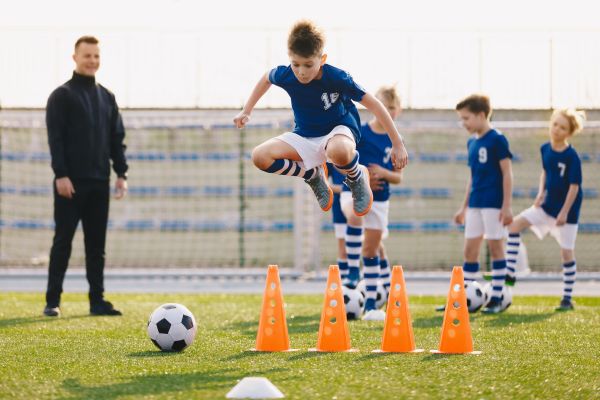
Team-based sports camps hold a special place in the summer landscape. Soccer, basketball, baseball, and volleyball camps teach children how to function within a group. They learn how to communicate, compromise, and support one another through wins and losses.
Belonging is a powerful motivator for kids. Being part of a team gives them a role and a sense of responsibility that feels meaningful. For children who struggle socially during the school year, summer sports camps for kids can be a low-pressure way to connect with peers who share similar interests.
Individual Sports Camps and Personal Growth
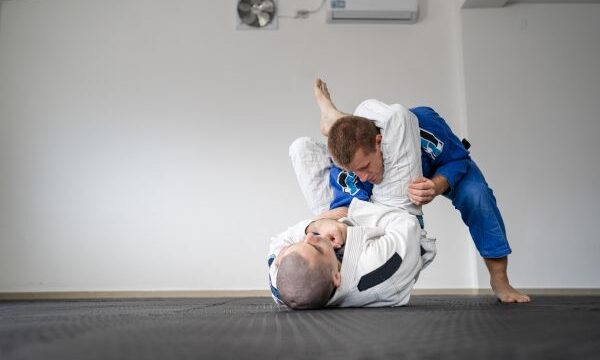
Not every child thrives in team settings, and that is where individual sports camps shine. Tennis, swimming, gymnastics, martial arts, and track camps allow kids to focus inward while still benefiting from group energy. Progress becomes deeply personal, measured against past versions of themselves rather than others.
These camps often help children develop self-discipline and focus. Training sessions feel purposeful, and small improvements are celebrated. For some kids, mastering an individual sport builds a quiet confidence that carries over into other areas of life, from academics to friendships.
Multi-Sport Camps and the Joy of Variety
For younger children or those still exploring their interests, multi-sport camps offer a refreshing approach. Instead of committing to one discipline, kids rotate through several activities over the course of the camp. One day might involve soccer drills, the next could include tennis or track games.
Summer sports camps for kids that follow this model reduce burnout and encourage curiosity. Children are free to discover what excites them without pressure to specialize too early. This variety also helps develop overall athleticism, coordination, and adaptability, which are valuable no matter which sport a child eventually chooses.
Age-Appropriate Design and Development
One of the most important aspects of any sports camp is how well it aligns with a child’s developmental stage. Camps designed for younger kids tend to emphasize play, imagination, and basic motor skills. Sessions are shorter, rules are flexible, and fun leads the way.
As children grow older, camps gradually introduce more structured training and strategy. Summer sports camps for kids that respect these transitions create an experience that feels challenging but not overwhelming. Kids stay engaged because the expectations match their abilities, not an abstract standard.
The Role of Coaches and Mentors
Behind every memorable camp experience is at least one coach who leaves a lasting impression. Great coaches do more than teach technique. They model patience, fairness, and enthusiasm. Their words, often said casually on a field or court, can stick with kids for years.
In well-run summer sports camps for kids, coaches act as mentors rather than authority figures alone. They notice effort, encourage resilience, and create an atmosphere where children feel safe to try. That sense of trust allows kids to take risks, both physically and emotionally.
Building Life Skills Beyond the Field
Sports camps may revolve around physical activity, but the lessons extend far beyond the game. Kids learn time management by showing up on schedule. They practice listening skills during instructions and teamwork during group challenges. Even handling disappointment becomes a learning moment.
These experiences subtly prepare children for life outside sports. Summer sports camps for kids often serve as early training grounds for responsibility and independence. Packing gear, staying hydrated, and caring for equipment may seem small, but they foster accountability in meaningful ways.
Inclusivity and Accessibility in Modern Camps
Today’s camps are increasingly aware of the need for inclusivity. Programs are adapting to welcome children of different abilities, backgrounds, and experience levels. This shift matters. When kids see diversity reflected on the field, it normalizes empathy and respect.
Inclusive summer sports camps for kids create spaces where everyone belongs, regardless of skill level. Activities are adapted, support is offered, and success is defined broadly. These environments teach children that sports are not just for the naturally gifted, but for anyone willing to participate.
Choosing the Right Camp Experience
Every child is different, and there is no single definition of the “best” camp. Some kids thrive in high-energy environments filled with competition. Others prefer slower-paced programs that emphasize learning and fun. Paying attention to a child’s personality can guide families toward the right fit.
The most successful summer sports camps for kids are those where children feel excited to return each day. When a child comes home tired but smiling, eager to talk about what they learned, that is often the clearest sign that the experience is working.
The Lasting Impact of a Summer Well Spent
Long after summer ends, the effects of a good sports camp linger. Skills improve, confidence deepens, and memories form around shared experiences. A child may not remember every drill or game, but they often remember how it felt to belong, to improve, and to be encouraged.
Summer sports camps for kids offer more than seasonal entertainment. They provide a space where growth happens naturally, fueled by movement and connection. In a world that often feels rushed and crowded, these camps remind children that learning can be joyful and that effort, over time, truly matters.
A Natural Ending to an Active Season
As summer fades and routines return, the value of these experiences becomes clearer. Children carry their new skills, friendships, and self-belief into the school year ahead. They stand a little taller, try a little harder, and understand a bit more about themselves.
In the end, summer sports camps for kids are less about creating future athletes and more about supporting well-rounded humans. They offer a pause from screens, a connection to community, and a chance for kids to discover what their bodies and minds can do. That combination is what makes these camps a meaningful part of childhood, season after season.